
What Does Real Estate Videography Look Like in 2027
Real estate marketing is undergoing a seismic shift as high-impact video transitions from a luxury addition to an absolute necessity. Heading into 2027, visual storytellers and real estate agents are operating in a rapidly evolving landscape driven by emerging tech, shifting buyer habits, and faster production cycles.
From AI-assisted video editing that slashes turnaround times to drone footage becoming the non-negotiable opening shot, the industry standard is being entirely redefined. Paired with the explosive dominance of short vertical content and seamless proptech integrations, staying ahead of these developments is key to capturing buyer attention and driving real campaign results. Here is a closer look at where real estate videography stands today and the key trends shaping its future.
Where Real Estate Videography Stands Today
Real estate videography has already changed the way Australian listings get marketed. A standard real estate video today usually covers three things: a walkthrough of the home, a drone flyover of the street and block, and sometimes a short agent profile piece to build trust with the vendor. Nothing revolutionary. Just useful.
The role of video in real estate keeps expanding every year, and it's no longer treated as optional. Video sits alongside photography in most campaigns, not instead of it. Photos still carry the portal listing. Video carries the story - the light in the kitchen at 4pm, the way the backyard opens up, the walk from the front door down to the water. Real estate videos work because they slow a scroll down, even if it's only for a few extra seconds.
That's where things stand today. Real estate sits alongside brand films and project capture as one part of a wider video production offering, and the whole format is moving fast. By 2027, it's going to look noticeably different again.
The Trends Shaping Real Estate Video by 2027
Five shifts are worth tracking if you're deciding where to put next year's marketing budget.
Drone Footage Becomes the Opening Shot, Not the Upgrade
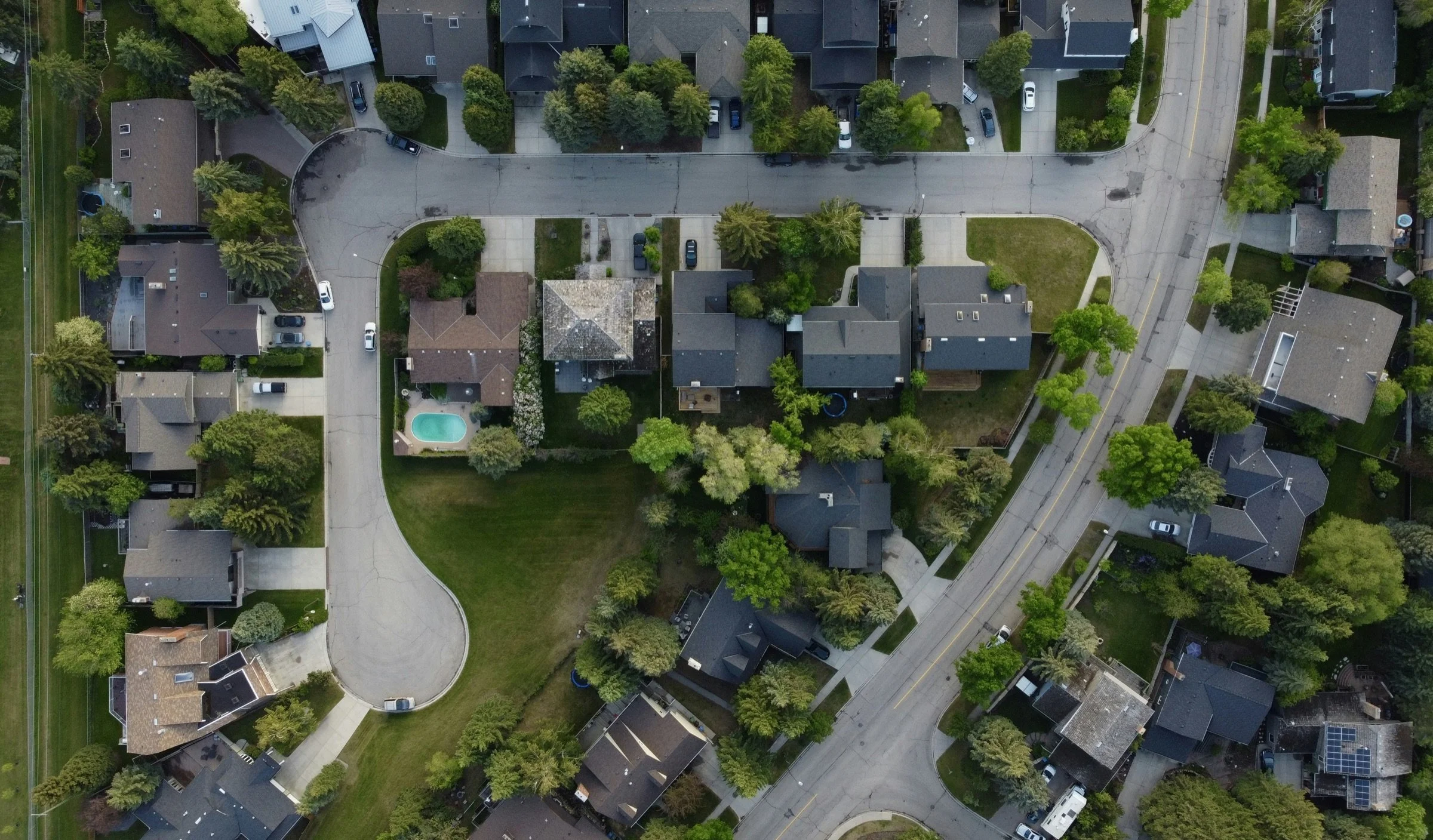
Drone video real estate content used to be the premium add-on. Book the walkthrough, then pay extra if you wanted the aerial shot on top. That's flipping. Drones and real estate go together so often now that aerial vision is fast becoming the default opening frame, not the upsell tacked on at the end.
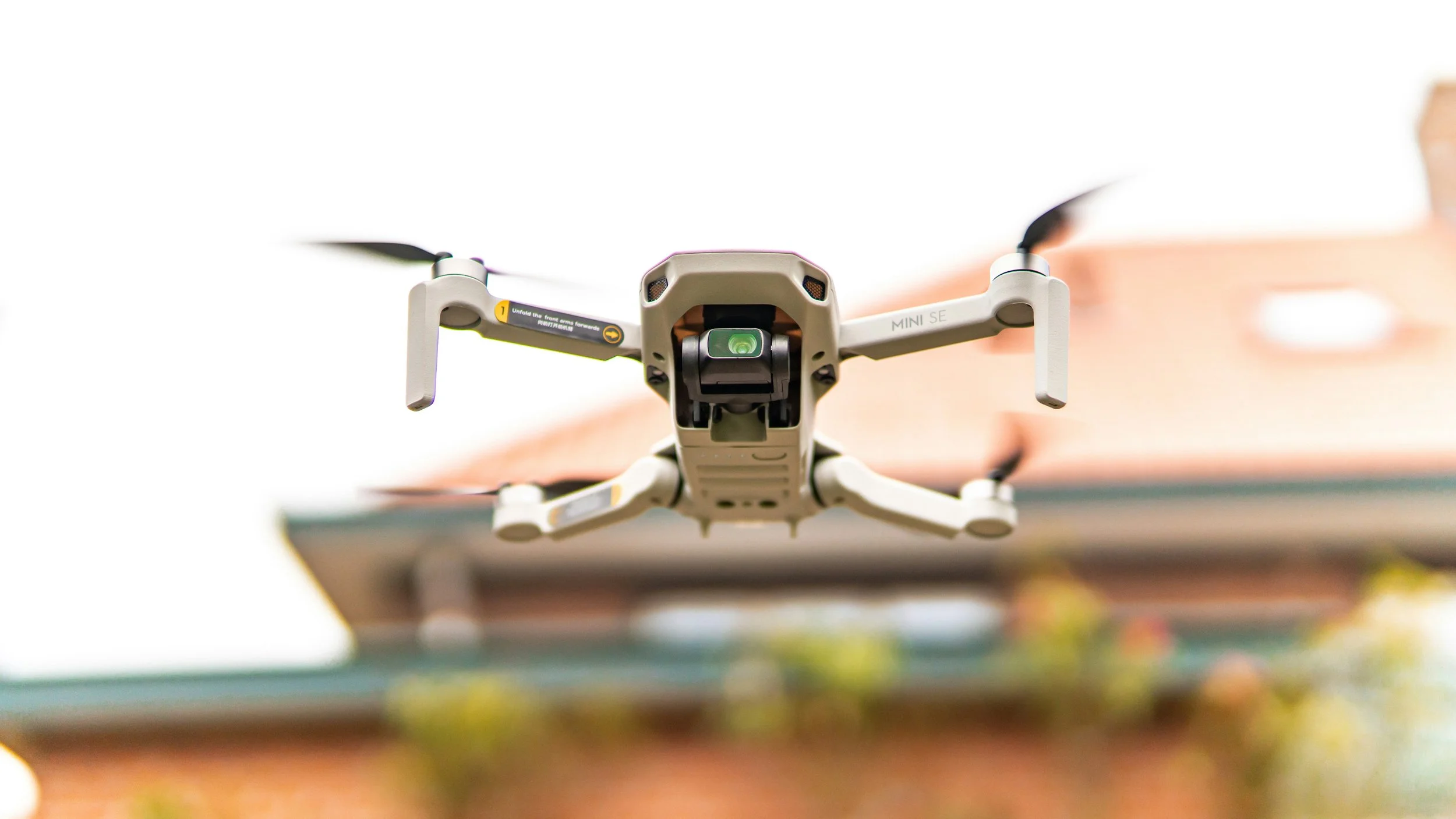
Part of the reason is simple economics. Real estate drones have got smaller, cheaper and easier to fly, so more crews carry one as standard kit instead of outsourcing it to a specialist. A drone for real estate work that once cost several thousand dollars now sits well under a thousand, with obstacle-avoidance smarts that used to be reserved for commercial-grade rigs.
The 2027 twist is AI. Some tools can now generate drone-style flyover effects straight from still photos, no aircraft required. Handy for a quick social post on a smaller listing. Real hardware still wins where it genuinely counts, though. Luxury homes. Acreage. Land listings, where buyers want to see the actual boundaries and the lay of the land, not an AI's best guess at them.
Expect more listings to pair a genuine aerial pass with ground-level footage - this recent real estate campaign shows that mix at work - and for larger or more complex properties, a 360 video real estate tour is also becoming more common, letting buyers control their own walk-through rather than following the videographer's chosen path.
AI Speeds Up the Edit, Not the Filming
Here's the number that matters most to anyone managing a marketing budget. A produced real estate video has traditionally cost somewhere between $250 and $1,000 or more, depending on the package and the add-ons. An AI-generated cut made from existing listing photos can now cost as little as $10.
That gap explains the adoption curve pretty well. AI-made clips are estimated to already account for around 18% of all real estate video content, and searches for "AI real estate video" have grown by roughly 425% year-on-year. That's not a fringe experiment anymore. It's mainstream enough that most agencies have tried it at least once, whether they admit it or not.
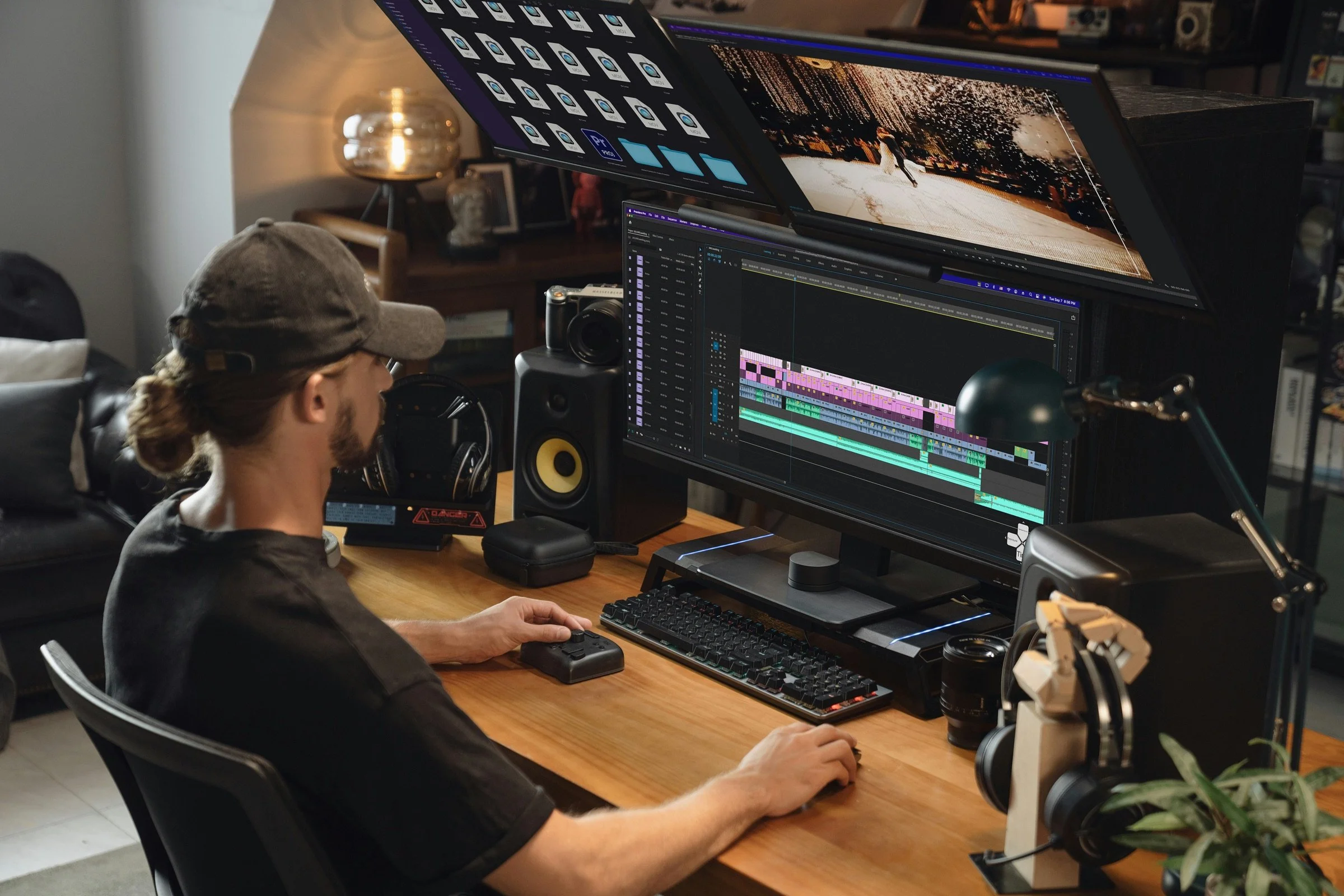
The day-to-day benefit is straightforward. Real estate video editing that once ate up hours can now spit out an automated highlight reel from footage already sitting on a hard drive, with no extra shoot day required. AI virtual staging follows a similar pattern - an empty room furnished digitally in a matter of minutes, which buyers have started to expect rather than treat as a bonus feature.
None of this replaces judgement, though. AI strips out the grind work: the sorting, the rough cuts, the repetitive edits across a whole batch of real estate agent videos. A director and an editor from our production team still decide what the actual story is, and where the emotional beats sit inside it. The machine does the labour. A person still decides what's worth saying, and how.
Short, Vertical Cuts Lead Distribution
Property video marketing is increasingly a numbers game around format, not just content. Vertical, sub-60-second cuts get shared roughly 2.5 times more often on social platforms than longer, horizontal content does. That's a big enough gap to reshape how a whole campaign gets planned from day one.
The mindset shift matters more than the format itself. A real estate video isn't a one-off listing extra anymore. It's an always-on asset that keeps working long after the "for sale" sign comes down. One property can realistically produce five or six vertical cuts from a single shoot day: a hook, a room highlight, a neighbourhood shot, a quick agent intro. A few of these shorter cuts are already working together across our project gallery.
If there's one rule worth taking from this trend, it's that consistency beats polish. A steady weekly drip of shorter real estate video content will usually outperform one heavily produced piece released once a quarter, mostly because it simply shows up in front of buyers more often.
Quick real estate video tips for vertical cuts:
Shoot the hero room first. It's the one buyers rewatch.
Keep captions on every clip. Most people scroll with the sound off.
Cut the first three seconds hardest. That's where scrollers decide whether to keep watching.
Reuse one hero film across five or six shorter edits, rather than starting from scratch on every platform.
Proptech Starts Talking to Video
Video is no longer sitting off to the side of the tech stack. It's being pulled directly into CRMs and portal listings, and tracked as its own channel alongside enquiries and open home numbers, the same way an email campaign or a paid ad would be.
This sits inside a wider shift across real estate technology trends: more automation, more data-backed decisions, less guesswork from one campaign to the next. Budget is following that shift too. An estimated 62% of brokerages plan to increase their technology spend in 2026, with video and AI content tools named among the top categories for that spend.
For agents, the practical upshot is that a real estate video no longer disappears into a folder once it's published. It gets measured properly - watch time, click-through, enquiry source. Proptech trends like this are less exciting to talk about than a drone shot over a coastal property, sure, but they're arguably more useful when it comes to deciding what to fund next.
What This Means for Agents Right Now
Trends are only useful if they change what happens on your next listing. A handful of practical takeaways:
Don't skip video on the "quiet" listings. The gap is too large to ignore. Real estate video statistics consistently point to around 403% more enquiries on video listings compared with photo-only ones.
Budget for a hero film and a cut-down set, not just one. A single well-made asset, plus three or four short versions built from it, will always outperform one asset alone.
Mention the sale price angle in your next listing presentation. Homes marketed with video have sold for roughly 6% more on average - a number worth having ready for a nervous vendor, alongside a few client reviews for social proof.
Learn the basics, even if you outsource the rest. Understanding how to shoot real estate video - steady shots, natural light, a clear walking path through the home - makes briefing a professional crew faster, and the result sharper.
DIY vs Professional Production
Plenty of agents Google how to make a real estate video before they've ever picked up a camera, then start with a phone and a gimbal. That's a fair place to start, honestly.
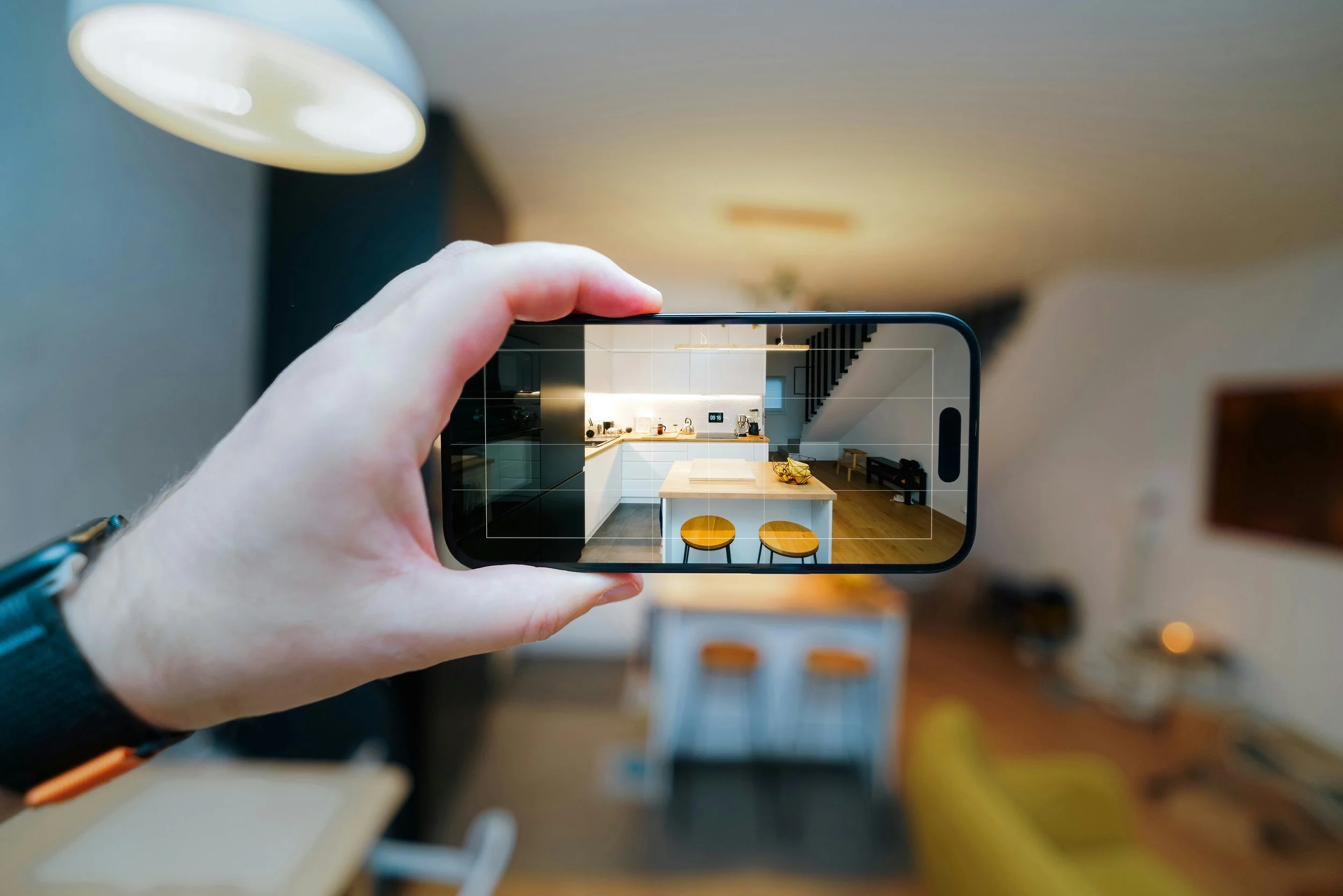
A DIY shoot can absolutely cover a straightforward walkthrough. It's fast, it's free beyond the gear you already own, and for a modest listing in a competitive suburb, "good enough" video still beats no video at all. Where it tends to fall short is lighting, sound and pacing - the things a buyer notices without quite being able to say why a video feels flat.
Real estate cinematography earns its cost in exactly those gaps. Lighting that flatters a room instead of flattening it. Camera movement with a rhythm to it, rather than a series of improvised pans. Colour grading that makes a property feel like a place someone could live, not a database entry with four walls. That's usually what separates a listing people remember from one they scroll straight past.
| DIY Shoot | Professional Production | |
|---|---|---|
| Cost | Low - mostly gear you already own | Higher - typically from $1,500 |
| Turnaround | Same day, if you're quick | Usually 2 to 5 business days |
| Lighting & sound | Whatever's available on the day | Planned and controlled on-site |
| Best suited to | Lower price-point, high-volume listings | Premium listings, full campaigns, brand-building |
| Consistency across listings | Varies from agent to agent | Repeatable and on-brand every time |
Neither option is wrong, really. DIY covers the basics well enough. A crew earns its keep on anything you actually want people to remember.
Getting Campaign-Ready for 2027
Video's role in a property campaign keeps growing, and every trend above points the same direction: more of it, delivered faster, and judged more closely on results than it used to be. Agents putting the groundwork in now - a consistent format, a mix of hero films and short cuts, an honest read on what's actually converting - will have a real head start once 2027 arrives and everyone else starts scrambling to catch up.
If you'd rather hand the technical side to a crew that already thinks this way, that's exactly what our packages are built around. We've redesigned our real estate video packages to incorporate all areas - hero property films, drone and 360 video real estate options, visual effects, and lifestyle footage that give a campaign real personality instead of another generic walkthrough. Have a look through our real estate video work to see it in practice.
Ready to talk about your next listing? Get in touch and we'll put a package together around your campaign.