
What Does the Industry Favour? Cinematic Films or Fast Impactful Films?
Every brand hits this fork eventually. There is a video budget on the table. One person wants a beautiful hero film. Someone else wants thirty vertical cuts live by Friday. Both arguments sound sensible. Both cost real money. Only one of them usually gets signed off.
So which way does the industry actually lean?
Both ways, deliberately, in a ratio. That is the short answer. The useful part is knowing how much of your budget belongs on each side, and what quietly breaks when the ratio is wrong.
What Each Style Actually Means
Before you pick a side, be clear about what you are picking between. These two get filed together under “video content” as though they were the same product in different sizes. They are not.
The Cinematic Film
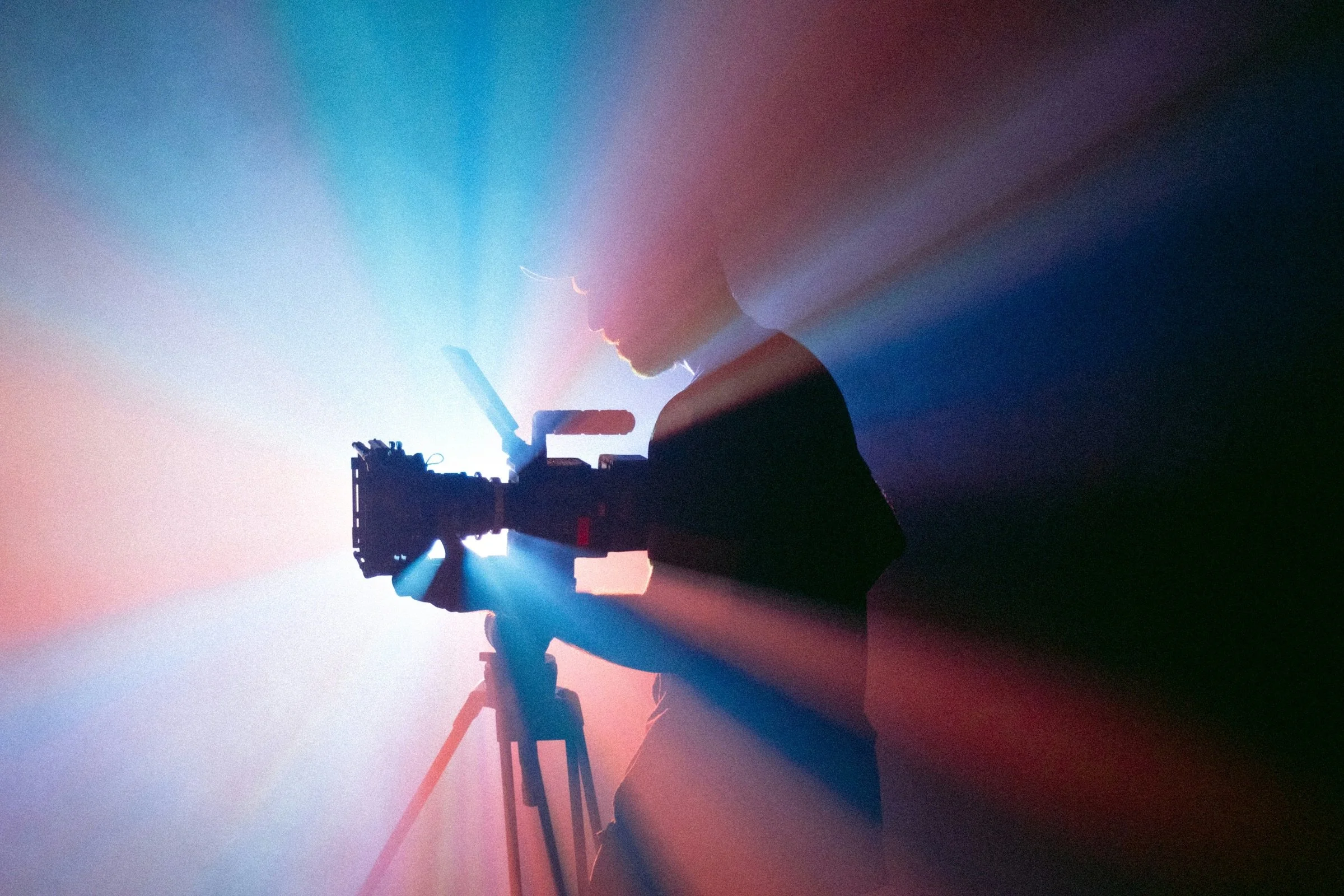
A cinematic film is made to be watched, not scrolled past. Shots are planned before the day. Lighting is placed rather than found. There is a colour grade, a sound design pass, and a narrative that goes somewhere. Cinematic storytelling is the entire point of the exercise. You want someone to feel something now and still remember it in three months, which is the job a brand film is built to do.
The Fast Impactful Cut
A fast impactful cut is made for the feed. Hook first. Text on screen. Built for the thumb, not the boardroom. This is where snackable content lives: quick cut video, hard transitions, and an edit that assumes nobody owes you more than a second or two of goodwill.
Now the trap. Most people hear “cinematic” and think expensive, then hear “fast” and think cheap. That is not how it works. A year of sloppy social can cost more than one well-planned hero shoot. These are two different jobs, not two price tiers.
Cinematic and fast impactful films, side by side
| Cinematic Film | Fast Impactful Cut | |
|---|---|---|
| Main job | Build memory, emotion and brand association | Trigger a click, an enquiry or a sale now |
| Typical length | 60 seconds to 3 minutes plus | 6 to 30 seconds |
| Where it lives | Website, YouTube, launches, pitch decks, events | TikTok, Reels, Shorts, paid social |
| Shot for | Landscape hero, with cut-downs planned in | Vertical from the first frame |
| Judged on | Brand recall, enquiry quality, video completion rate | Video engagement rate, click-throughs, cost per result |
| Shelf life | One to three years | Days to weeks |
| Creative rule | Reward the attention you are given | Earn attention before the thumb moves |
| Fails when | It is made without a strategy behind it | It is a landscape edit cropped after the fact |
The Case for Fast Impactful Films
Start with the platform reality, because it is not up for debate. Australian attention researcher Dr Karen Nelson-Field has measured how fast an audience leaves: around 80% are still with an ad in the first second, roughly half by the second, and about 20% by the third. Your film does not get an introduction. It gets an audition.
Format sets the ceiling too. Her work puts the attention actually available at roughly two seconds on Facebook, about three and a half on TikTok, and ten or more on YouTube. Craft cannot move those numbers much. Fast cuts exist because that is the room you have been given to work in.
The preference data points the same way. Nielsen research found 77% of consumers prefer short-form video to long-form when they are learning about a brand. Marketers back it with money. In HubSpot’s 2025 reporting, short-form video ranked first for return on investment out of every content format, and social video now takes more than 45% of all digital video ad spending.
Beyond the numbers, there are practical reasons a fast cut earns its spot in the plan:
Volume. One well-planned shoot day can keep a feed moving for weeks.
Fast feedback. You will know inside 48 hours whether a message lands. A hero film takes a quarter to tell you the same thing.
Cheap testing. Short video ads let you trial three angles for very little before committing real budget to one of them.
Native reach. TikTok marketing rewards work that looks like it belongs on the platform, rather than work that was clearly built somewhere else and cropped down.
That last one matters more than people expect. Ads that look like ads get scrolled. The same polish that makes a brand film feel premium can read as an interruption in a feed, so the craft changes. Vertical video editing is a discipline of its own, not a landscape timeline squeezed into a 9:16 box. A snackable video needs its payoff up front, subtitles that carry the message with the sound off, and a rhythm that matches everything around it. It is the same thinking behind the property marketing campaigns we shoot vertical from the first frame.
The Case for Cinematic Films
Here is what a fast cut cannot do, and it is measurable rather than sentimental. Nelson-Field puts the attention-memory threshold at about 2.5 seconds, and roughly 85% of digital ads never reach it. Below that line, an ad can still earn a click. Above it, an ad can start shifting what someone remembers about you months later. That is the real difference between the two styles, stated plainly.
So anyone asking how to make cinematic video work commercially should start there. What you are buying is time above the threshold, and the craft to use it well.
The effectiveness research agrees. Les Binet and Peter Field analysed 996 campaigns entered into the IPA Effectiveness Awards between 1980 and 2010, covering 700 brands across 83 categories. Brand-building work produced slow, durable, compounding effects. Activation work produced a sharp lift that faded once the spend stopped. They also found long-term effects need around six months to appear and overtake the short-term ones, which is worth knowing before anyone judges a hero film in week two.
One popular idea deserves correcting while we are here. Video attention span is not a fixed human trait. People will happily sit through a two-hour film, then abandon a nine-second ad. Attention is conditional and format-bound, not short. Earn it and you can keep it.
Where the Cinematic Look Actually Comes From
Most advice on how to make film look cinematic goes straight to the grade. The grade is the last ten per cent. The look is built long before anyone opens a timeline.
Lighting. Contrast, direction and shape do more for the feel of a shot than any preset will.
Movement. A deliberate camera move reads as intent. Constant motion reads as nerves.
Sound. Roughly half of what audiences call cinematic is actually audio.
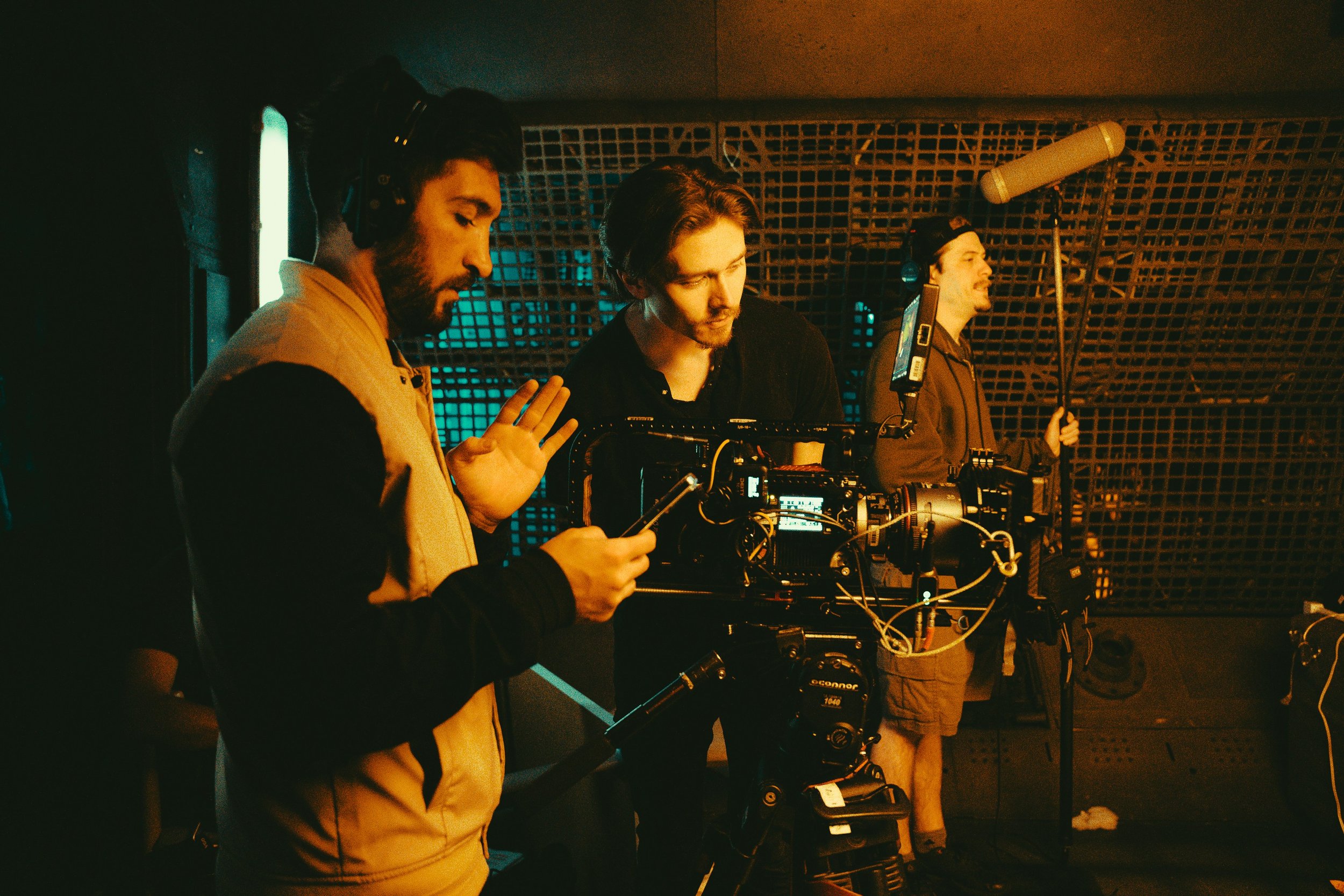
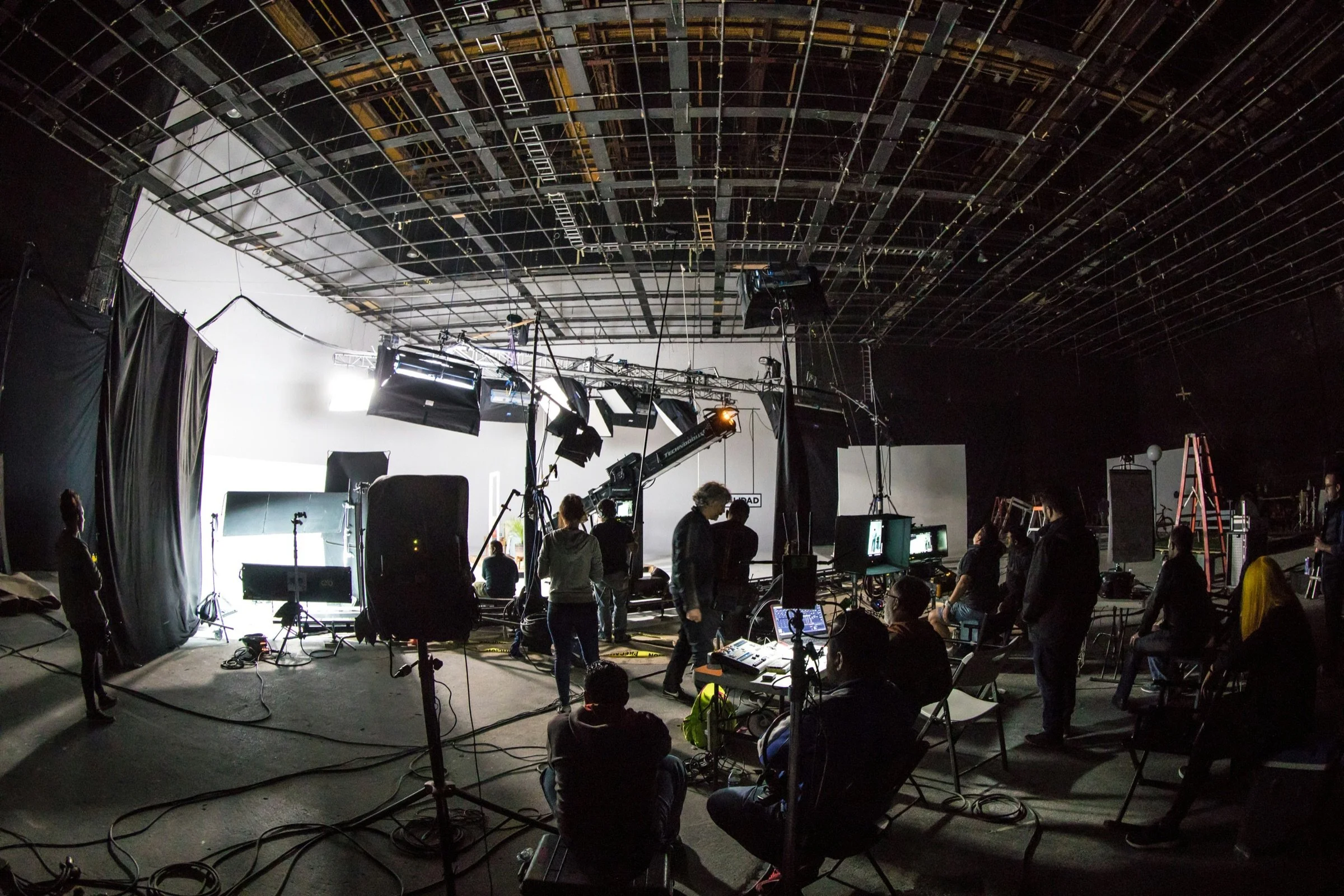
Crew. Decisions made on the day separate a considered shot from a lucky one, which is why we send a full crew rather than one operator.
Gear comes last, and it matters less than the forums suggest. The best cinematic video camera is simply the one suited to the job, the light and the people using it. Search cinematic video iPhone and you will find hundreds of tutorials, plenty of them correct: a modern phone shoots lovely footage in good conditions. What a phone cannot do is make decisions. Choose a camera for cinematic video work by looking at the schedule, not the spec sheet.
Post is where the intent either lands or leaks away. Cinematic video editing is mostly pacing and restraint, knowing which shot has earned three seconds and which has earned one. Montage editing can carry an entire brand film, but only when the shots were chosen to build towards something rather than fill a gap.
Finishing matters just as much. A good cinematic video editor holds a beat when the moment needs it, then gets out of the way. Cinematic video effects should sit close to invisible. If the audience notices the transition, they have stopped watching the story.
One warning before anyone signs anything off. A cinematic film without a strategy behind it is an expensive showreel: beautiful, well received internally, commercially silent. The brief has to say what the film is for before anybody starts talking about lenses.
So What Does the Industry Actually Favour?
A split. Not a winner.
Binet and Field’s 60/40 rule puts roughly 60% of budget into long-term brand building and 40% into short-term sales activation. It is not a law. It is a centre of gravity drawn from hundreds of measured campaigns, and in no sector they analysed did an activation-heavy mix come out ahead.
B2B shifts the numbers. Their 2019 work with the LinkedIn B2B Institute landed closer to 46% brand and 54% activation, reflecting longer buying cycles and decisions made by committees rather than individuals. Even then, brand keeps almost half the budget.
Here is the part most brands need to hear. Very few sit anywhere near either ratio. Plenty run something closer to 20/80, with nearly everything in fast cuts, then wonder why each campaign starts from zero. The fast work is not the problem. The missing 60% is.
How to Split Your Own Budget
Ratios are easy to quote and harder to apply. Here is a rough way to place yourself.
| Where You Are | Lean Towards | Why |
|---|---|---|
| New brand, low awareness | 60-70% brand | Nobody can act on a name they have never heard |
| Established consumer brand | Around 60/40 | The classic ratio, and a sound default to argue from |
| B2B or long sales cycle | Around 46/54 | Longer cycles give activation more time to convert |
| Known brand chasing a quarter | Tilt to activation, briefly | Fine as a push. Damaging as a permanent setting |
| Category leader defending share | Hold at 60/40 or higher | Share erodes quietly when brand spend is the first cut |
Two rows deserve a note. A brand nobody has heard of cannot activate its way out of obscurity, so early-stage budget belongs in work that introduces the people and the point of difference, from launch films through to agent and founder profile films. And a category leader trimming brand spend rarely sees the damage in-quarter. It turns up a year later as softer enquiry and harder conversations about price.
Do Not Ask One Film to Do Both Jobs
This is the most common mistake and the most expensive one. A brand film with a discount code stapled to the end does neither job properly. Binet and Field found the same pattern in the data: ads that try to carry rational and emotional messaging at once, what they call double duty, underperform ads that commit to one. Let the hero film build the feeling. Let the cuts ask for the click.
Plan the Hero and the Cuts in One Brief
One shoot can feed both, as long as you plan it that way from the start. Repurposing after the fact is where quality goes to die: landscape framing cropped awkwardly, no dedicated hooks, no alternate takes to cut with. Plan them together and a single day produces the hero film plus a bank of vertical cuts that were genuinely shot vertical. That is how our project video production runs, with the film, the stills and the social cuts scoped as one campaign rather than three separate jobs.
It changes what you measure, too. Judge the hero film on video completion rate and on the quality of the enquiries that follow it. Judge the cuts on video engagement rate, click-throughs and cost per result. Holding a brand film to a performance metric is how good work gets cancelled three weeks early.
Choosing the Right Style for Your Next Campaign
So, cinematic or fast? Match the style to the objective, not to the trend and not to whatever is left in the budget. If people do not know who you are, buy time above the memory threshold and give them something worth remembering. If they already know you and you need movement this month, get to the point before the thumb does. Most of the year, you need both.
That is how we build it at Flip Films. We are a Melbourne video production crew covering brand films, property marketing, campaign production, social content, project capture, aerial cinematography, photography and post production, with creative direction on every job so the thinking is settled before the camera comes out. Everything runs through the same in-house team, which is what makes planning the long and the short together practical rather than aspirational. Have a look through our video production services to see how it fits together.
Tell us what you are trying to achieve and we will give you an honest answer on where your budget should sit. Get in touch with the studio.